CoreWeave (CRWV -0.15%), a provider of cloud-based AI infrastructure services, went public at $40 per share on March 28, 2025. Its stock closed at a record high of $183.58 on June 20, 2025, but it now trades at about $90. Three major challenges weighed down its stock.
First, its enterprise value reached $91.1 billion -- or 18 times its 2025 sales -- when its stock hit its all-time high. Second, it struggled to justify that premium valuation as its debt and expenses surged. Lastly, a guidance cut related to data center delays in late 2025 spooked its investors.

Image source: Getty Images.
However, I believe CoreWeave is still one of the best recent AI IPOs to buy. Let's see why it still has plenty of upside potential, and why it's worth buying if you can tune out the near-term noise.
How fast is CoreWeave growing?
CoreWeave was once an Ethereum mining company, but it abandoned that business model after the cryptocurrency market's 2018 crash. It subsequently repurposed its GPUs to run AI tasks remotely and rebranded itself as an AI infrastructure company.
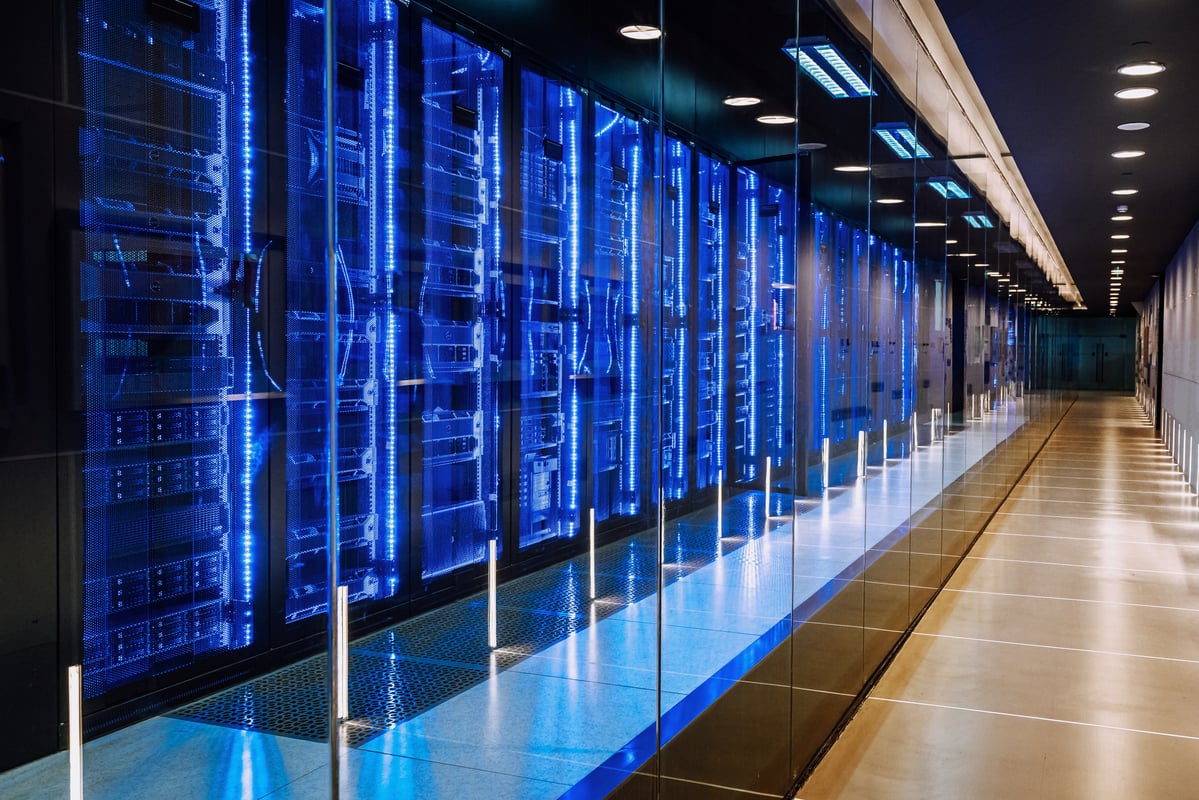
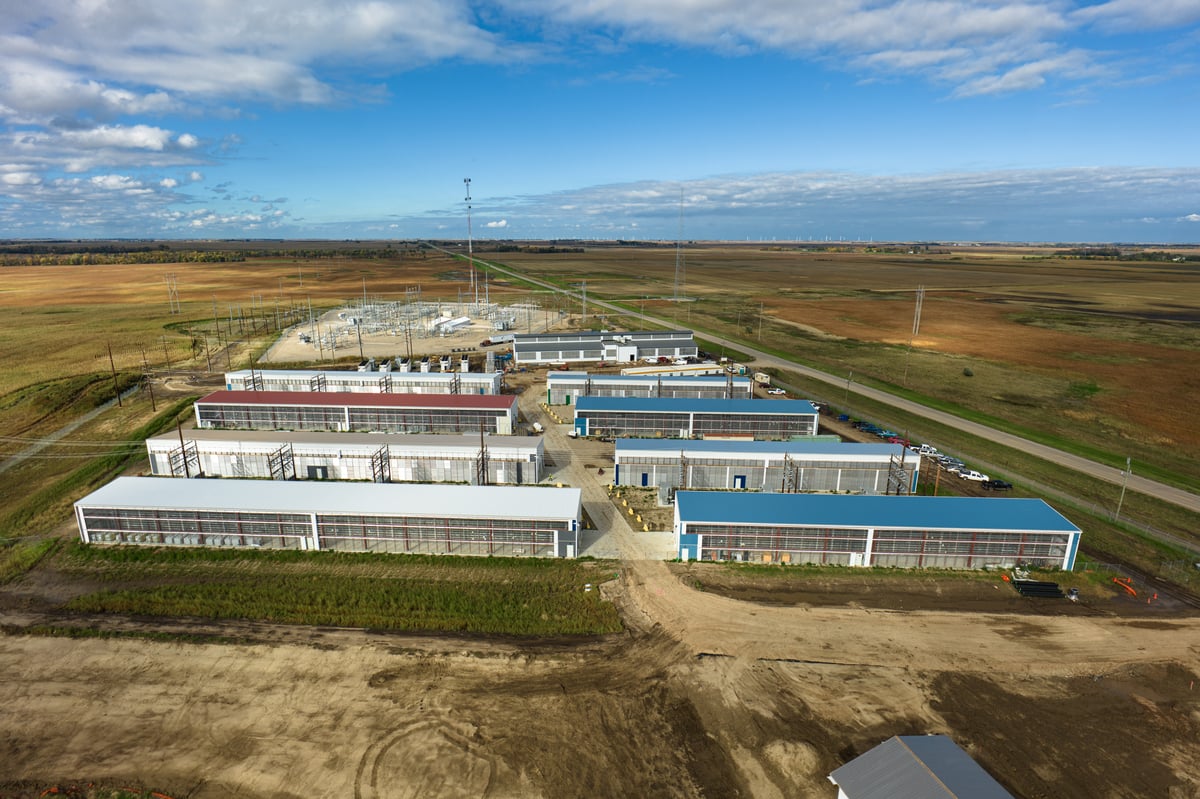
CoreWeave only operated three data centers at the end of 2022, but that network now spans 51 data centers across North America and Europe. It's installed more than a quarter of a million Nvidia's (NVDA -0.03%) high-end GPUs in those servers to train AI algorithms and process AI tasks. Nvidia also owns an 11.5% stake in CoreWeave, making it one of the company's largest investors.
As a dedicated provider of cloud-based data center GPUs, CoreWeave can process AI tasks roughly 35 times faster and at 80% lower cost than diversified cloud infrastructure platforms like Amazon Web Services (AWS) and Microsoft Azure. That's why its revenue skyrocketed as the generative AI market expanded.

NASDAQ: CRWV
Key Data Points
In 2025, CoreWeave's revenue surged 168% to $5.1 billion as its adjusted earnings before interest, taxes, depreciation, and amortization (EBITDA) rose 154% to $3.1 billion. But under generally accepted accounting principles (GAAP), which includes the interest on its debt and depreciation of its equipment, its net loss widened from $863 million to $1.17 billion.
In 2026, analysts expect its revenue to rise 151% to $12.9 billion as its adjusted EBITDA surges 144% to $7.5 billion. However, they expect its GAAP net loss to widen to $2.9 billion.
Why should you remain bullish on CoreWeave?
CoreWeave's bottom-line growth is wobbly. But that isn't surprising, since it's aggressively expanding its infrastructure to meet the AI market's demand for more processing power.
Its contracted revenue backlog expanded 246% year over year to $104 billion at the end of the second quarter of 2026. That's more than eight times higher than its projected 2026 revenue. Its top customers include Meta Platforms, Microsoft, OpenAI, and Anthropic.
During its first-quarter conference call in May, CEO Michael Intrator noted that "more than 75%" of its 2027 annualized revenue target of over $30 billion was locked into contracts. He also predicted that 75% of its backlog would be recognized as revenue within the next four years.
Based on that guidance, analysts expect CoreWeave's revenue and adjusted EBITDA to grow at CAGRs of 80% and 95%, respectively, from 2026 to 2028. At its current enterprise value of $96 billion, it trades at just 7 times this year's sales -- so it could soar a lot higher.
But investors should brace for a lot of volatility
CoreWeave is one of the only high-growth AI stocks I'd consider accumulating right now, but I also expect it to remain volatile for the foreseeable future. Its high debt-to-equity ratio of 14.3 at the end of the second quarter, lack of GAAP profits, and ongoing dilution will make it an easy target for the bears if the Fed hikes its benchmark rates this year to counter inflation.
But if you expect CoreWeave to defend its high-growth niche, grow its backlog, and for its GAAP profits to rise as economies of scale kick in, then it's still a promising long-term investment. Investors just need to brace for significant volatility and be ready to buy even more shares if it crashes.